
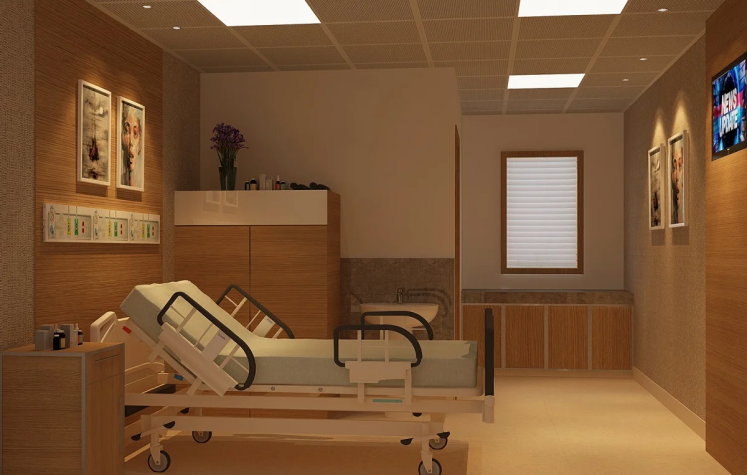
Modern healthcare architecture has evolved beyond creating functional medical facilities. Today’s hospitals must serve as healing environments that support patient recovery, reduce staff stress, and create welcoming spaces for families. This comprehensive guide explores the principles and practices of designing healing hospitals that transform healthcare delivery.
Understanding the Healing Hospital Concept
Healing hospitals represent a paradigm shift in healthcare design. Unlike traditional medical facilities that prioritize operational efficiency alone, healing hospitals integrate evidence-based design principles that actively contribute to patient outcomes. Research demonstrates that thoughtful architectural choices can reduce patient recovery time, minimize medication needs, and improve overall satisfaction scores.
The concept emerged from growing recognition that the physical environment significantly impacts healing. Studies show that patients in well-designed spaces experience less anxiety, require fewer pain medications, and often recover faster than those in conventional hospital settings.
Key Principles of Healing Hospital Design
1. Natural Light and Views
Daylighting stands as one of the most powerful tools in healing hospital architecture. Patients with access to natural light demonstrate improved circadian rhythms, leading to better sleep quality and faster recovery. When designing patient rooms, position beds to maximize window exposure while avoiding direct glare.
Strategic window placement should consider:

- Orientation to capture optimal daylight without excessive heat gain
- Views of nature, gardens, or calming landscapes
- Adjustable shading systems for patient control
- Glazing specifications that reduce UV exposure while maintaining light transmission
Research published in the Journal of Environmental Psychology found that patients with window views of nature required significantly less pain medication than those facing brick walls.
2. Biophilic Design Integration
Biophilic design connects building occupants with nature through direct and indirect elements. In hospital settings, this translates to incorporating living plants, water features, natural materials, and organic patterns throughout the facility.
Effective biophilic strategies include:
- Indoor healing gardens accessible to patients and families
- Living green walls in waiting areas and corridors
- Natural wood finishes and stone materials
- Artwork depicting natural scenes and landscapes
These elements reduce stress hormones, lower blood pressure, and create a sense of tranquility essential for healing. Consider partnering with landscape architects to develop therapeutic gardens that serve as respite spaces.
3. Noise Reduction Strategies
Hospital noise significantly impacts patient recovery and staff performance. The World Health Organization recommends hospital sound levels below 35 decibels during nighttime, yet many facilities exceed 50 decibels. Acoustic design must be prioritized from the initial planning stages.
Implement these noise control measures:
- Sound-absorbing ceiling tiles with high NRC ratings
- Carpet or resilient flooring in corridors and patient rooms
- Strategic room layouts that separate noisy functions from patient care areas
- Pneumatic tube systems for material transport instead of cart traffic
- Single-patient rooms to eliminate roommate disturbances
Acoustic consulting during the design phase ensures comprehensive noise mitigation strategies are embedded throughout the facility.
4. Patient Room Design Excellence
The patient room serves as the epicenter of the healing hospital experience. Modern patient room design prioritizes comfort, functionality, and family accommodation while maintaining efficient clinical operations.
Essential patient room features include:
- Minimum 250 square feet to accommodate family and equipment
- Accessible, barrier-free bathrooms with safety features
- Comfortable family zones with sleeping provisions
- Decentralized nursing stations or alcoves for bedside charting
- Individual climate controls and lighting adjustments
- Technology integration for entertainment and communication
The layout should support family-centered care while providing clear sightlines for nursing staff. Consider flexible furniture systems that adapt to different patient needs and family sizes.
5. Wayfinding and Spatial Clarity
Hospital navigation ranks among the top frustrations for patients and visitors. Complex layouts create anxiety and delayed appointments, negatively impacting the healing environment. Intuitive wayfinding begins with logical spatial organization and clear circulation paths.
Effective wayfinding strategies:
- Simple, linear circulation patterns with minimal decision points
- Color-coding systems for different departments or floors
- Landmarks and visual cues at key decision points
- Clear, consistent signage with universal symbols
- Digital wayfinding kiosks at main entrances
- Natural light and views to provide orientation cues
Architectural planning should minimize corridor lengths and create memorable spatial sequences that naturally guide visitors through the facility.
Evidence-Based Design in Practice
Evidence-based design (EBD) grounds architectural decisions in rigorous research about environmental impacts on health outcomes. This methodology requires designers to identify relevant research, apply findings to design solutions, and measure post-occupancy results.
Critical EBD applications in hospital design:
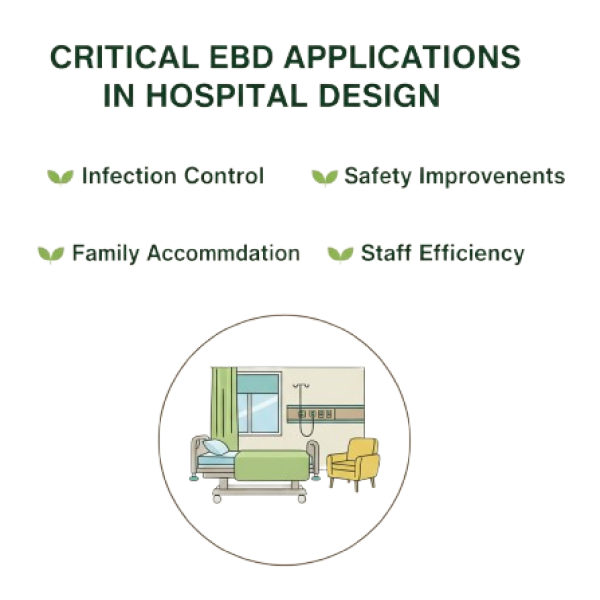
- Infection control: Single-patient rooms, antimicrobial surfaces, and hand hygiene stations reduce hospital-acquired infections
- Safety improvements: Decentralized nursing stations improve observation and reduce patient falls
- Staff efficiency: Standardized room layouts decrease navigation time and errors
- Family accommodation: Comfortable family spaces improve patient satisfaction and outcomes
Documenting design decisions with supporting research creates institutional knowledge and continuous improvement cycles for future projects.
Material Selection for Health and Wellness
Healthcare materials must balance aesthetic appeal, durability, infection control, and environmental health. Material choices directly impact indoor air quality, maintenance requirements, and the overall healing atmosphere.
Priority considerations include:
- Low-VOC paints, adhesives, and sealants for better air quality
- Antimicrobial surfaces in high-touch areas without relying solely on chemical treatments
- Durable, easily cleanable finishes that maintain appearance over time
- Natural materials like wood and stone that provide warmth and connection
- Sustainable materials with health product declarations and environmental certifications
Avoid materials that off-gas harmful chemicals or harbor bacteria. Work with manufacturers who provide transparency about chemical ingredients and environmental impacts.
Technology Integration in Healing Environments
Modern hospitals require sophisticated technology infrastructure while maintaining the peaceful, healing atmosphere. The challenge lies in seamlessly integrating complex systems without creating clinical, institutional environments.
Smart integration approaches:
- Concealed medical gas systems and electrical outlets
- Integrated nurse call and communication systems
- Electronic health record access at bedside
- Patient entertainment and education systems
- Ambient monitoring for patient status without intrusive devices
Technology should enhance human connection rather than replace it. Design technology interfaces to be intuitive and unobtrusive, supporting rather than dominating the patient experience.
Creating Staff-Supportive Environments
Healing hospitals recognize that staff wellbeing directly impacts patient care quality. Healthcare workers face demanding, stressful conditions that lead to burnout and turnover. Thoughtful design provides respite and support for caregivers.
Staff-focused design elements:
- Natural light in nursing stations and staff work areas
- Dedicated break rooms with comfortable seating and views
- Quiet rooms for decompression and meditation
- Ergonomic workstations and adjustable equipment
- Staff lounges separate from patient care areas
Investing in staff environments improves retention, reduces errors, and creates a positive organizational culture that extends to patient interactions.
Sustainability in Healthcare Design
Sustainable hospital design aligns with the healing mission by promoting environmental health and reducing operational costs. Healthcare facilities consume significant energy and resources, making sustainability both an ethical imperative and financial opportunity.
Sustainable strategies include:
- High-performance building envelopes reducing energy consumption
- Renewable energy systems like solar panels
- Water conservation through efficient fixtures and systems
- Waste reduction and recycling programs
- Green building certifications that support environmental standards
Sustainable design principles benefit both environmental and human health, creating facilities that contribute positively to the communities they serve.
Conclusion
Designing healing hospitals requires commitment to evidence-based principles, patient-centered thinking, and holistic environmental approaches. By integrating natural light, biophilic design, acoustic comfort, and thoughtful spatial planning, architects create facilities that actively support recovery and wellbeing.
The investment in healing design principles yields measurable returns through improved patient outcomes, enhanced staff satisfaction, and operational efficiencies. As healthcare continues evolving, healing hospital design will remain essential to delivering compassionate, effective care.
Whether renovating existing facilities or planning new construction, applying these principles creates healthcare environments where healing truly begins with architecture. The future of healthcare design lies in spaces that nurture human dignity, comfort, and recovery at every turn.
Ready to Transform Your Healthcare Facility?
At IVA Healing Spaces, we specialize in creating healing-centered healthcare environments that prioritize patient wellbeing without compromising operational efficiency. Our team combines evidence-based design expertise with innovative architectural solutions to deliver hospitals that truly heal.
Let’s discuss your vision. Whether you’re planning a new hospital, renovating an existing facility, or exploring ways to enhance your healthcare environment, we’re here to help. Contact our healthcare design team today to schedule a consultation and discover how thoughtful architecture can transform patient outcomes.